
It's easy to mistake tungsten carbide for tungsten. However, that would be wrong. Tungsten is a pure metal. Tungsten carbide combines tungsten with carbon and is much harder. Tungsten carbide is the material that almost all tungsten rings are made from. This distinction is important because these materials have different behaviors. Tungsten is dense and soft. Tungsten carbide is extremely hard and is used as the standard for hard materials in jewelry. This guide tells you what tungsten is, what tungsten carbide is, and how these tungsten materials behave. It also helps you understand why ring makers choose tungsten carbide rather than tungsten and what that means for you when you buy a ring.
Tungsten vs tungsten carbide: not the same material
The heart of the tungsten carbide vs tungsten question is here. Tungsten is a pure chemical element (W, atomic number 74). Tungsten carbide is a compound. This means that there is a chemical bond between the tungsten atoms in the compound and the carbon atoms. This compound does not just coat the tungsten, it rearranges the metal into a new crystal structure. This makes the tungsten carbide extremely hard compared to pure tungsten.
This is one of the reasons for the confusion in the language used for these products. A listing that uses the words "tungsten ring" is, in almost every case, describing a tungsten carbide ring. The shorthand is easier, because saying "tungsten" is quicker than "tungsten carbide", but you can't replace one substance with the other. Knowing which of the two you're actually buying will inform you of how the ring will feel, how it will hold a finish, and how it will perform if it takes a serious hit to the surface.
What is pure tungsten?
Tungsten is a grayish-white metal with the greatest, extreme properties. The highest temperature a metal can melt to is about 3,422 degrees celsius, and it is one of the densest metals on Earth, weighing about 19.25 grams per cubic centimeter. That density is close to gold and noticeably denser than lead.
What pure tungsten is not, in everyday terms, is especially hard. On the Mohs scale, the standard ten-point ranking of how easily a material is marked, pure tungsten sits around 7.5. That is harder than gold or titanium, but it is well short of the carbide and soft enough that a daily-wear ring made from the pure metal would mark and dull faster than buyers expect. Pure tungsten also behaves awkwardly to shape at room temperature, which makes it not a good metal for finished rings.
This element is better used elsewhere: light-bulb filaments, welding electrodes, radiation shielding, aerospace counterweights, and the cores of armor-piercing rounds. Useful metal, just not the one on your finger.
What is tungsten carbide?
Tungsten carbide is the name of the material that is formed when fine tungsten carbide powder is bonded with a metal binder and subjected to heat and pressure. The final product is a dense ceramic-metal material that is ranked 9 on the Mohs scale. Tungsten carbide is one of the hardest materials on the planet, so it can be seen in jewelry case merchandise. Including steel and titanium, which are ranked near 8 and 6 respectively, tungsten carbide is extremely hard compared to other materials.
Industrial tungsten carbide, in drill bits and cutting tools, is most often bonded with cobalt. Jewelry-grade tungsten carbide is bonded with nickel, which is a metal that gives a good finish and avoids cobalt that irritates some skin. For this reason, it is important to have nickel-bonded tungsten carbide. Our other blogs on what tungsten carbide is explains this in greater detail. If you want the deeper mechanics, our explainer on what tungsten carbide is and the walkthrough of how tungsten carbide is made both go further than we can here.
One quirk worth noting: tungsten carbide is actually a little less dense than pure tungsten, around 14.5 to 15.0 grams per cubic centimeter versus 19.25. It still feels substantially heavier than titanium or steel on the hand, which is part of its appeal, but the pure element is technically the denser of the two.
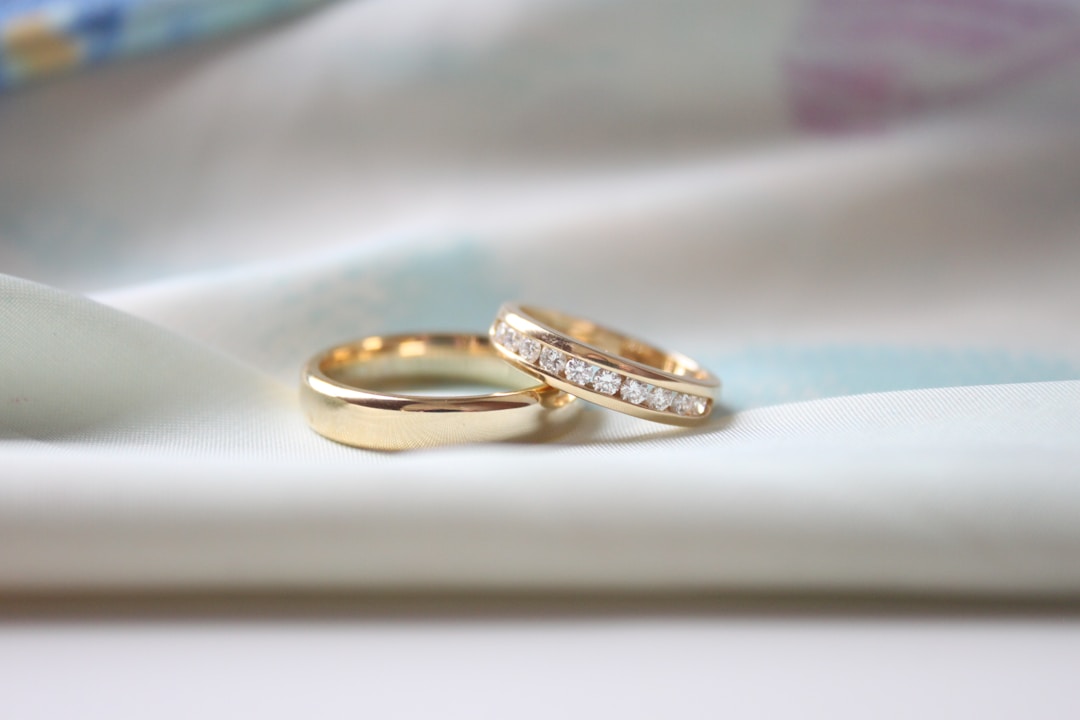
Tungsten carbide vs tungsten: side by side
The numbers clearly show the differences when comparing tungsten with tungsten carbide. Tungsten carbide wins on hardness by a wide margin, while pure tungsten wins on raw density and melting point. Only one of the two is practical for a ring you wear every day.
| Property | Pure Tungsten | Tungsten Carbide |
|---|---|---|
| What it is | Pure metal element (W) | Compound of tungsten + carbon (WC) |
| Hardness (Mohs) | ~7.5 | ~9 (near diamond) |
| Density (g/cm³) | ~19.25 | ~14.5 to 15.0 |
| Melting point | ~3,422°C | ~2,870°C |
| Behavior under impact | Bends and marks | Holds its shape, can fracture under a sharp blow |
| Used in rings | Rarely, impractical | Yes, the industry standard |
Think of the comparisons like a set of scales. Tungsten carbide has an edge in hardness and retention of shiny polish. Pure tungsten has higher density and a higher melting point. Those traits matter to engineers, not your ring finger, and for a ring you actually wear, the trade offs are worth it.
Density is where the distinction gets genuinely useful. Pure tungsten sits at 19.25 g/cm³, almost exactly matching gold at 19.32, while tungsten carbide comes in nearer 14.5 to 15.0. That puts a carbide band just under 18k gold and heavier than 14k, a comparison we run through in full in tungsten vs gold wedding bands alongside the price gap between the two metals.
Why do ring makers use tungsten carbide?
Hardness is the headline reason. At roughly 9 on the Mohs scale, tungsten carbide shrugs off the day-to-day contact, like keys, desks, and steering wheels, that leaves a softer gold or silver band looking tired within months. A carbide band keeps its brushed or polished face far longer because almost nothing it meets in normal life is hard enough to mark it. Our breakdown of where tungsten sits on the hardness scale puts that number in context against the rest of the metals you might consider.
The heft is the second reason. Even at a slightly lower density, tungsten carbide gives a ring real heft and provides a substantial feel desired by many men having a wedding band. If you want to compare gold, titanium, and steel by the gram, our guide outlines how heavy tungsten is.
There is one real trade-off. The tungsten carbide ring has brittleness which can cause it to crack if hit hard enough, rather than a soft metal which can bend and not lose its round shape. This same property can be a safety feature because it means a stuck ring can be cracked off rather than having to be sawn off. We explain how this works in our section on whether a tungsten ring can be cut off.
What does the difference mean when you buy?
The practical point is when you see "tungsten" on a product page, you can assume it's tungsten carbide, as the pure element is almost never used for finished rings. The real questions to ask are about the things the word "tungsten" hides: what binder holds the carbide together, and how the band is finished.
Binder is the one most shoppers miss. Nickel-bonded tungsten carbide gives a cleaner, brighter look and sidesteps the cobalt that some skin reacts to, which is why we use it across the catalog. For a fuller overview of tungsten rings, the tungsten rings pros and cons guide is a great resource. For those comparing materials, the tungsten vs. titanium guide covers the most common alternative. If skin sensitivity is on your mind, our notes on whether tungsten rings are hypoallergenic go into the detail.
From there it comes down to the look you want. Nickel-bonded tungsten carbide with a beveled profile is seen in the silver-matte Ingot, while the black-matte Monolith shows a more understated profile. The entire collection is carbide, never the raw element, and the complete range can be found in the tungsten rings collection.
Common questions about tungsten carbide vs tungsten
Is tungsten carbide the same as tungsten?
No, tungsten is a pure metal element, while tungsten carbide is a compound of tungsten and carbon. The carbide is far harder than the pure metal, and it is the material used in virtually all tungsten rings, even when the listing simply says "tungsten."
Is tungsten carbide a good ring material?
Yes, tungsten carbide is a great option. It is one of the hardest materials used in jewelry, measures approximately a 9 on the Mohs scale, and it maintains its finish but carries a nice weight. The only downsides are that it can't be resized and can break from a serious impact.
Which is harder, tungsten or tungsten carbide?
Tungsten carbide is a hard material. Tungsten itself is approximately 7.5 on the Mohs scale of hardness, while tungsten carbide is a 9. This is exactly why ring makers use tungsten carbide over pure tungsten.
Is a tungsten carbide ring heavier than pure tungsten?
In pure tungsten, the density is approximately 19.25 grams per cubic centimeter in contrast to its carbide counterpart, which is approximately 14.5 to 15.0 grams per cubic centimeter. In practice, you will only handle the carbide in a ring, and it feels far heavier than titanium, steel, and aluminum.
Are tungsten carbide rings safe for sensitive skin?
Nickel-bonded tungsten carbide, the kind FoundryCut uses, is a good choice for most sensitive skin because the tungsten carbide itself is inert. Cobalt-bonded industrial carbide, on the other hand, is far more likely to cause a reaction, which is one reason the binder is worth checking before you buy.
Can a tungsten carbide ring break?
Because tungsten carbide is hard, it can fracture under a hard, sharp impact and it is brittle. This also makes it easier to crack a tungsten carbide band off in an emergency than a soft band, which would just bend.
The short version of tungsten carbide vs tungsten: you will probably want the carbide, and you will probably already have it. Knowing the difference helps you ask the right questions about binder and finish. Take a look at the tungsten rings collection to see all of the options available to choose from: matte, beveled, and black finishes.


