
Tungsten carbide is one of the hardest compounds ever used in jewelry, harder than titanium, harder than stainless steel, and nearly as hard as diamond. If you've been shopping for a men's wedding band and keep seeing the term "tungsten carbide," you're looking at the material that separates hard-wearing rings from everything else. This post breaks down exactly what tungsten carbide is, how it's made, why it dominates the men's ring market, and what to look for when you buy one.
What Is Tungsten Carbide, Exactly?
Tungsten carbide is a chemical compound made of tungsten and carbon atoms bonded together in equal parts. Its chemical formula is WC. Pure tungsten on its own is a dense, silver-gray metal with the highest melting point of any element, 3,422°C. But raw tungsten is brittle and difficult to shape. When you combine it with carbon at extreme temperatures, you get tungsten carbide: a compound that ranks 9 to 9.5 on the Mohs hardness scale, just below diamond at 10.
For context, alloyed gold sits between 2.75 and 3.5 depending on karat. Titanium is about 6 and stainless steel is roughly 5.5. Tungsten carbide is in a completely different league. That hardness is why tungsten carbide rings maintain their polish and resist scratches far longer than traditional metals.
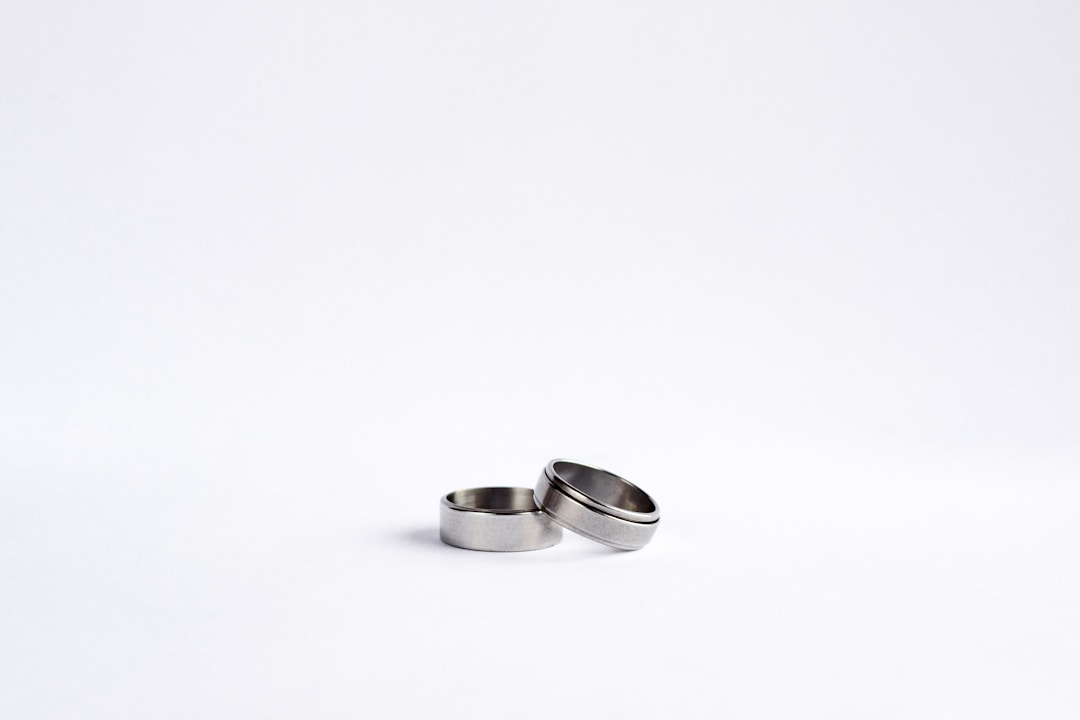
The material isn't new at all. It's been used in industrial cutting tools, mining drill bits, and armor-piercing ammunition for decades. Jewelers adopted it because the same properties that make it effective in heavy industry (extreme hardness, density, and resistance to deformation) translate directly into a ring that won't show wear.
How Is Tungsten Carbide Made?
The manufacturing process is closer to engineering than traditional jewelry-making. Here's the simplified version of how tungsten carbide goes from raw ore to the ring on your finger.
Step 1: Mining and refining. Tungsten is extracted from wolframite and scheelite ores. The ore is processed into ammonium paratungstate (APT), then reduced to pure tungsten powder.
Step 2: Mixing with carbon. Tungsten powder is blended with carbon powder (usually from graphite) in precise ratios. This mixture is heated to around 1,400 to 1,600°C in a hydrogen atmosphere, a process called carburization that forms tungsten carbide powder.
Step 3: Adding a binder. This is the step that matters most for rings. The tungsten carbide powder is mixed with a metallic binder, typically nickel or cobalt, which acts as a glue holding the hard carbide grains together. The binder choice directly affects the ring's quality and hypoallergenic properties. More on this below.
Step 4: Pressing and fusing. The powder-binder mixture is pressed into a ring blank under enormous pressure, then heated to around 1,300 to 1,500°C in a vacuum or controlled atmosphere. During fusing, the binder melts and fills the gaps between carbide grains, creating a dense, nearly void-free solid. The result is a ring blank roughly 85 to 97% tungsten carbide by weight.
Step 5: Finishing and polishing. The blank is ground and polished using diamond-coated tools, because almost nothing else is hard enough to cut it. Inlays, beveled edges, and brushed finishes are applied at this stage.
Why Does Tungsten Carbide Work Well for Rings?
There are five reasons tungsten carbide has taken over the men's ring market, and they all come back to the material science.
Scratch resistance at 9 to 9.5 Mohs means tungsten carbide wears cleanly from everyday contact with keys, tools, weights, or workbenches. A gold ring picks up visible scratches within weeks. A tungsten carbide ring like Ingot will look the same a year from now as the day you unbox it.
The polish is permanent because the surface is so hard that the mirror or brushed finish doesn't degrade. You won't need to have it re-polished every few years like gold or platinum.
Weight and feel come down to density. Tungsten carbide is dense, about 14.5 to 15.0 g/cm³, compared to gold's 19.3 and titanium's 4.5. It has a satisfying heft that feels substantial on the finger without being uncomfortable. Most guys who switch from gold notice the weight is similar, while titanium wearers find tungsten noticeably heavier.
Hypoallergenic properties depend on the binder. Rings made with a nickel binder are hypoallergenic for the vast majority of wearers. Cobalt-bonded rings, on the other hand, can cause skin irritation and sometimes develop oxidation spots. Every FoundryCut ring uses a nickel binder specifically to avoid these issues. It's one of the first things we check when sourcing. If you want the full breakdown of advantages and trade-offs, read our tungsten rings pros and cons guide.
On price, tungsten carbide rings are a fraction of the cost of gold or platinum. The raw material is abundant, and the manufacturing process, while technical, is efficient at scale. That's how every ring at FoundryCut is priced at the same flat rate, with no markups for color or finish.
Tungsten Carbide vs Other Ring Materials
Numbers tell the story faster than paragraphs. Here's how tungsten carbide stacks up against the most common ring metals across the metrics that actually matter for daily wear.
| Property | Tungsten | Titanium | Gold (14K) | Stainless Steel |
|---|---|---|---|---|
| Hardness (Mohs) | 9 to 9.5 | 6 | 3 to 4 | 5.5 |
| Scratch Hardness | Excellent | Good | Poor | Moderate |
| Tarnish Resistant | Yes | Yes | Mostly | Varies |
| Weight | Heavy | Very Light | Medium-Heavy | Medium |
| Resizable | No | No | Yes | No |
| Hypoallergenic | Yes (nickel binder) | Yes | Varies by alloy | Often no |
| Price Range | $50 to $200 | $50 to $300 | $200 to $2,000+ | $20 to $100 |
The takeaway: tungsten carbide gives you the hardness and tarnish resistance of a high-end metal at a fraction of the price of gold. The one trade-off is that it can't be resized. But at the price point, replacing a ring if your size changes is far cheaper than resizing a gold band. For a deeper comparison with titanium specifically, we've got a full breakdown of tungsten's properties worth reading.
What Should You Look for in a Tungsten Carbide Ring?
Not all tungsten carbide rings are equal. The differences come down to three things: the binder metal, the carbide content, and the finish quality.
The nickel-versus-cobalt binder is the single most important quality marker. Cobalt is cheaper to source, so budget manufacturers use it as the binding agent. The problem: cobalt reacts with skin oils and moisture, causing oxidation spots and sometimes allergic reactions. Nickel-bonded tungsten carbide is chemically stable, won't oxidize against your skin, and is considered hypoallergenic. If a seller doesn't specify the binder, assume it's cobalt. Every FoundryCut ring, including Monolith, our most popular style, uses a nickel binder.
On carbide content, a quality ring is 85% or more tungsten carbide by weight. Lower-grade rings cut costs by increasing the binder ratio, which makes the ring softer and more prone to scratching, defeating the entire point of choosing tungsten carbide in the first place.
For finish and comfort fit, look for rings with a true comfort-fit interior, a slightly domed inner surface that slides over the knuckle more easily and sits more comfortably during all-day wear. The exterior finish (brushed, polished, or a combination) should be applied after fusing with diamond tooling. If the finish looks uneven or cloudy out of the box, the manufacturing quality is suspect.
If you're curious about how tungsten carbide holds up over months and years of daily wear, including whether it tarnishes, read our detailed breakdown: Does Tungsten Tarnish?
Common Questions About Tungsten Carbide
Is tungsten carbide the same as tungsten?
No. Pure tungsten is an element (atomic number 74), a brittle, silver-gray metal. Tungsten carbide is a compound of tungsten and carbon that's been bonded with a metallic binder. The compound is far harder and more practical for jewelry than the pure element. When a ring is labeled "tungsten," it almost always means tungsten carbide.
Can a tungsten carbide ring break?
Yes, but it shatters rather than bends. Tungsten carbide is extremely hard but also brittle. The same property that makes it hard-wearing means it can crack under a strong enough impact, like dropping it on concrete from height or hitting it with a hammer. This is actually a safety feature: in an emergency, a tungsten ring can be cracked off with vise-grip pliers, unlike gold which would need to be cut with specialized tools.
Will tungsten carbide turn my finger green?
Not if the ring uses a nickel binder. Green discoloration happens when copper or cobalt in a ring reacts with moisture and skin oils. Nickel-bonded tungsten carbide is chemically inert against skin. If you've experienced green marks from a "tungsten" ring before, it was almost certainly a cobalt-bonded ring.
How do you clean a tungsten carbide ring?
Warm water and mild soap. Tungsten carbide doesn't react with household chemicals, so cleaning is straightforward. Wipe with a soft cloth, rinse, and dry. Avoid ultrasonic cleaners, which won't damage the tungsten carbide itself but can loosen inlays on rings that have secondary materials.
Is tungsten carbide safe for everyday wear?
Yes. Tungsten carbide is biocompatible when paired with a nickel binder, non-toxic, and used in medical instruments and surgical tools. It's one of the safest ring materials available for guys who work with their hands, exercise regularly, or simply want a ring they never have to worry about.
Tungsten carbide isn't a trend. It's an engineering material that happens to make an exceptional ring. If you want to see what nickel-bonded tungsten carbide actually looks and feels like, browse the full FoundryCut collection. Every ring is built from the same high-grade compound covered in this guide, finished with diamond tooling, and made to last.
Curious about the manufacturing side? Our guide on how tungsten carbide is made walks through the full fusing and machining process step-by-step.
FoundryCut tungsten carbide rings
If you have ever wondered why retailers say "tungsten ring" instead of "tungsten carbide ring" (and whether the distinction matters), see our breakdown of tungsten carbide vs tungsten.
For a full walk-through of widths, finishes, and what a fair price looks like, read our tungsten carbide rings buyer's guide.
Every ring in our catalog is tungsten carbide. A few starting points:
- Monolith, matte black, the bestseller.
- Ingot, brushed silver, minimalist.
- All tungsten rings →


