
Can you resize a tungsten ring? The short answer is no. Tungsten carbide is one of the hardest materials used in jewelry, rating 9 on the Mohs hardness scale, just one step below diamond. That same hardness that makes it hard-wearing also makes it impossible to bend, stretch, or compress the way a jeweler would resize a gold or platinum band. If your tungsten ring no longer fits, you need a replacement, not a resize, but that's not as big a deal as it sounds, and this guide explains exactly why.
Why Can't Tungsten Rings Be Resized?
Resizing a ring requires the metal to be malleable, soft enough to cut, stretch, or compress without shattering. Gold, silver, and platinum all have this quality, but tungsten carbide does not. It's a compound, formed by pressing tungsten and carbon powder together under extreme heat and pressure. The result is a material so rigid that traditional jeweler's tools can't cut or reshape it without cracking the ring in half.
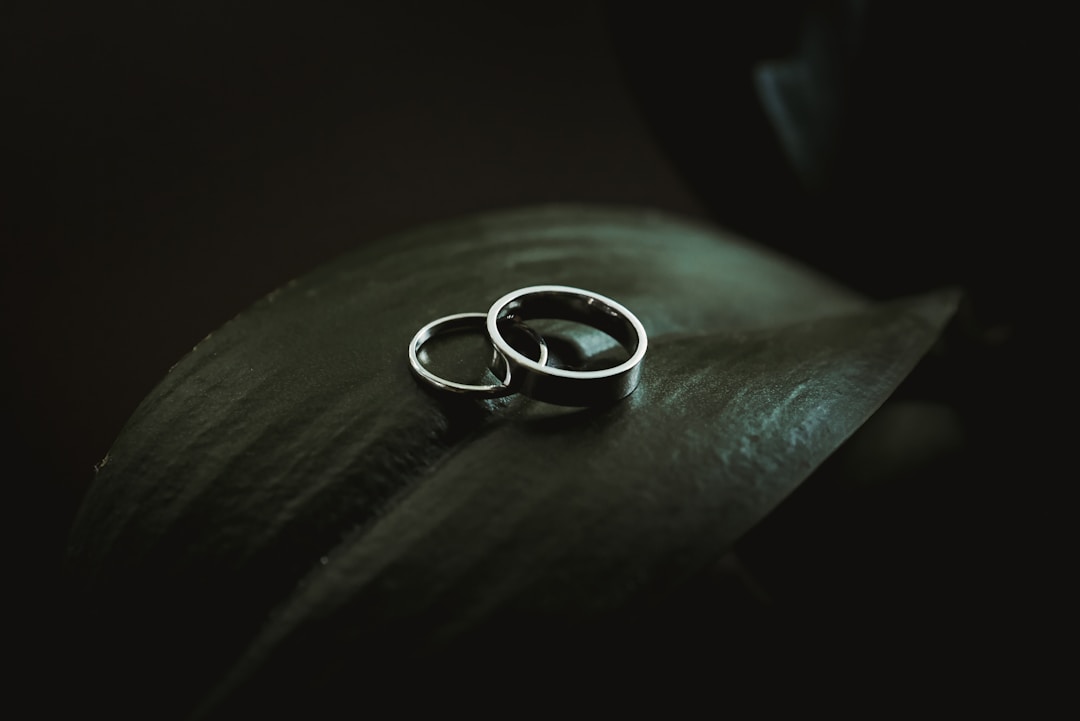
This isn't a flaw, it's the same property that keeps your tungsten ring looking new after years of daily wear. A gold ring that can be resized is also a gold ring that dents, scratches, and warps over time. Tungsten does none of those things, and the trade-off is straightforward: you get a ring that holds its shape permanently, but that permanent shape can't be altered once the ring is finished.
Some sellers advertise that they can do "tungsten resizing." They cut the ring and solder it back together. Unfortunately, this method doesn't work with tungsten carbide. Tungsten carbide can't be soldered or welded. Any ring resized this way was probably not tungsten carbide at all. It was probably a cheaper cobalt-tungsten blend, which is softer and more likely to cause skin irritations.
How Resizing Works With Other Metals
Understanding how traditional resizing works makes it clear why tungsten is the exception. When a jeweler increases a gold ring's size, they cut the band, add a small piece of matching gold, and solder it back together. To resize a ring to a smaller size, they cut out a section and close the gap. Platinum, like gold, can also be resized, but it needs a hotter torch. Silver and palladium can also be resized.
All of these metals share one thing: they're ductile. They can be heated, bent, and reworked without losing structural integrity. Tungsten carbide isn't, and it's better described as a ceramic-metal composite, closer in behavior to a diamond than to a gold bar. Heating it to a workable temperature would require industrial furnaces running above 2,800 degrees Fahrenheit, and even then the ring would lose its polished finish and structural precision.
Titanium sits somewhere in the middle. It's technically possible to resize in very small increments, but most jewelers won't attempt it because the risk of cracking is too high. If you're choosing between metals and resizability is your top concern, gold remains the most forgiving option, but you'll pay for it in scratch resistance and durability.
What Should You Do When Your Tungsten Ring No Longer Fits?
If you recently purchased the ring, check to see if the seller has an exchange policy. At FoundryCut, every order comes with free 30-day returns and free 30-day exchanges, meaning free returning of the product for a different size ring, as long as the ring has not been worn, is not being used, and is returned with the original packaging and price tag. To return a ring and get a different size, contact support with your order number and request. Terms of returning orders or getting a refund are located on the exchanges and refunds page. The 'exception' to free exchanges of rings are the rings that have custom engravings and are made to order, as those types of bands can't be resold. For that reason, be sure to measure before customizing the ring.
The best option is buying a new ring, especially when talking about tungsten rings. For less than the price of resizing a gold ring, you could buy a new tungsten ring. A gold ring resizing can cost $50 to $150 while the new ring cost could be $300 to $1,000. A new tungsten ring can be even less expensive than a gold resizing. Take for example the clean silver matte beveled edge band, Ingot, from FoundryCut. The ring is a replacement for a gold resizing which costs hundreds of dollars. For the full picture, here's how much ring resizing costs across every common metal.
Many tungsten ring brands, FoundryCut included, build their pricing around this reality. Because tungsten carbide rings cost significantly less than gold or platinum, replacing a ring when your size changes isn't a financial burden, it's just part of how the material works. Some guys keep their old ring as a backup or pass it on, others wear it on a chain. Either way, the replacement is painless. For tips on keeping your current ring in top shape while you have it, check out our complete tungsten ring care guide.
If you're only dealing with a ring that is a bit loose, a temporary option is ring size adjusters. These adjusters work by wrapping around the inside of the band and are a small piece of silicone. Half-size adjustments are no problem and cost less than $10. They are useful when you have to wait for the finger to stop getting bigger, or your weight. They are not the most permanent solution but they are useful while you figure out the long-term adjustments.
When and Why Does Your Ring Size Change?
Finger sizes change throughout your life, but understanding when they change can help avoid frustration when the time comes. Finger sizes fluctuate due to a number of common causes including weight gain or loss (even 10 to 15 pounds can shift your ring size by a half size), changes in seasonal weather (warmer weather can cause your fingers to swell), aging (most of the time fingers can get larger as the joints thicken), and medical conditions such as arthritis.
For the most part, important factors happen in the first year after you wear a ring for the first time. If you never wore a ring prior to your wedding, you may become frustrated when the ring adjusts your finger. Many men do not experience any problems after the first few weeks. Some men lose or gain weight after the wedding, so the right timing is important. You should wait at least a week after you get a sizing ring before you adjust your sizing commitment.
If you bought your ring based on a quick in-store measurement on a single afternoon, there's a real chance your size is off by a half size. Finger diameter changes by up to a full size between morning and evening, and between winter and summer. The best measurement is one taken at room temperature, in the evening, after a normal day, not first thing in the morning or right after exercise.
How to Get Your Ring Size Right the First Time
Before buying a tungsten ring, you can't resize them, so make sure you choose the correct size before purchasing. Here are the most common mistakes.
To start, do multiple measurements. For example, you could take the measurement three times. It could be done on different days and/or different times of the day. If measurements differ, you choose the middle value, because a measurement taken once is a guess and three measurements is data.
Next, measure with the right tools. The most accurate option are a set of ring sizers, also called ring mandrels, where you have every half size ring to physically try on. Other methods like measuring using a paper strip, a piece of string with a ruler, or measuring the diameter of an already owned ring, are much less accurate. FoundryCut offers a free ring sizing guide to help you get started.
Next, you need to consider ring width. Wider bands fit tighter than narrow ones, so if you're going for the 8mm version of a ring like Monolith, you may need to go up a half size compared to what you'd wear in a 6mm band. Looking at ring width is the most commonly overlooked sizing factor, and our guide to 6mm vs 8mm ring widths covers this in detail.
Lastly, if you are between two sizes then you size up. Rings that are too loose vs ones that are too tight is better to have. A looser ring can be less of a problem because a loose ring can be adjusted with a silicone adjuster but a too tight ring has to be replaced.
Can You Resize a Tungsten Ring vs Other Metals?
Now, learn how tungsten scores against all the other ring metals as far as durability, being resized, and cost of replacement.
| Metal | Resizable? | Hardness | Scratch Resistance | Replacement Cost |
|---|---|---|---|---|
| Tungsten | No | 9 Mohs | Excellent | $50-$150 |
| Gold (14K) | Yes (up to 2 sizes) | 3-4 Mohs | Poor | $300-$1,000+ |
| Platinum | Yes (up to 2 sizes) | 4-4.5 Mohs | Moderate | $500-$2,000+ |
| Titanium | Rarely (0.5 size max) | 6 Mohs | Good | $50-$200 |
| Silver | Yes (up to 3 sizes) | 2.5 Mohs | Very Poor | $30-$150 |
It's safe to say that the harder the metal, the less flexible it is for sizing. On the top end of that scale is tungsten. For most men, the trade-off favors tungsten's durability. A tungsten ring that looks perfect on day one will be perfect on day 1,000. A resizable gold ring will show every scratch and ding it picks up along the way.
Common Questions About Resizing Tungsten Rings
Can a jeweler cut a tungsten ring to resize it?
No, tungsten carbide cannot be cut and resoldered like gold or platinum. The material is too hard for a jeweler's tools and it cannot be welded or soldered. A jeweler can cut a tungsten ring off your finger in an emergency, using a vise-grip or a specialized diamond-coated tool, along with other specialty tools, but the ring will be destroyed in the process and cannot be repaired.
What if I buy the wrong size tungsten ring?
Most reputable tungsten ring sellers offer a size exchange within a return window. If the ring does not fit, you send it back and receive the correct size. At FoundryCut, all rings are built to the same standard, so swapping sizes does not change the ring's look or quality. Check the return policy before you buy to make sure exchanges are included.
Do tungsten rings stretch over time?
No, tungsten carbide doesn't stretch, bend, or deform under normal wear. The ring you receive is the ring you'll have for its entire lifespan. This is one of tungsten's biggest advantages: it holds its shape permanently, but it also means the ring will never "break in" or loosen the way a leather watch strap might. If it feels tight on day one, it'll feel tight on day 100.
Is it cheaper to resize a gold ring or replace a tungsten ring?
When considering durability and the lifelong cost of ownership, tungsten carbide rings win out easily. Tungsten rings are designed to not stretch, bend, or wear thin. Gold on the other hand is malleable and will always be subject to deformation over time. A professional gold ring resize can cost between $50 and $150. A brand-new tungsten ring from FoundryCut costs about the same or less, and you get a completely fresh ring. Over a lifetime, the economics favor tungsten.
Can I prevent my ring size from changing?
You can't avoid it completely, but you can minimize surprises. Maintain a stable weight, measure your finger in various conditions before buying, and pick a comfort-fit ring that accommodates some swelling. If you know your weight changes throughout the year, consider purchasing two sizes. Relatively, purchasing two tungsten rings is a cost-effective strategy compared to gold or platinum. Our complete guide to how a ring should fit covers what a correct fit feels like and how to test your ring's fit at home.
Tungsten rings cannot be resized, but that does not have to be a dealbreaker. With the right size from the start and an affordable replacement path when life happens, tungsten remains the most practical choice for a men's wedding band that actually holds up. Browse the full FoundryCut collection to find a ring built from nickel-bonded tungsten carbide, engineered to last as long as you need it to.


