
Is tungsten magnetic? The short answer is no, not in any way that matters. Pure tungsten is classified as paramagnetic, which means it has an extremely weak attraction to magnetic fields. You could hold the strongest fridge magnet against a tungsten carbide ring all day and it would never stick. For guys shopping for a wedding band or just curious about the metal on their finger, this is one of tungsten's most practical advantages, and it's worth understanding why.
This guide breaks down exactly how tungsten interacts with magnets, how it compares to other ring metals, why it matters if you work around magnetic fields, and what to watch out for with cheap tungsten rings that may contain magnetic fillers.
What Does "Paramagnetic" Actually Mean?
Metals fall into three magnetic categories: ferromagnetic, paramagnetic, and diamagnetic. Ferromagnetic metals, like iron, nickel, and cobalt, are the ones that stick to magnets. They have unpaired electrons whose magnetic moments align in the same direction, creating a strong, permanent attraction. That's why a steel paperclip clings to your fridge.
Tungsten is paramagnetic, so it has some unpaired electrons, but their magnetic moments don't align strongly or permanently. In the presence of a magnetic field, tungsten develops an incredibly weak attraction, so weak it takes laboratory instruments to detect it. The moment the magnetic field is removed, that attraction disappears entirely. In practical terms, tungsten behaves like a non-magnetic metal.
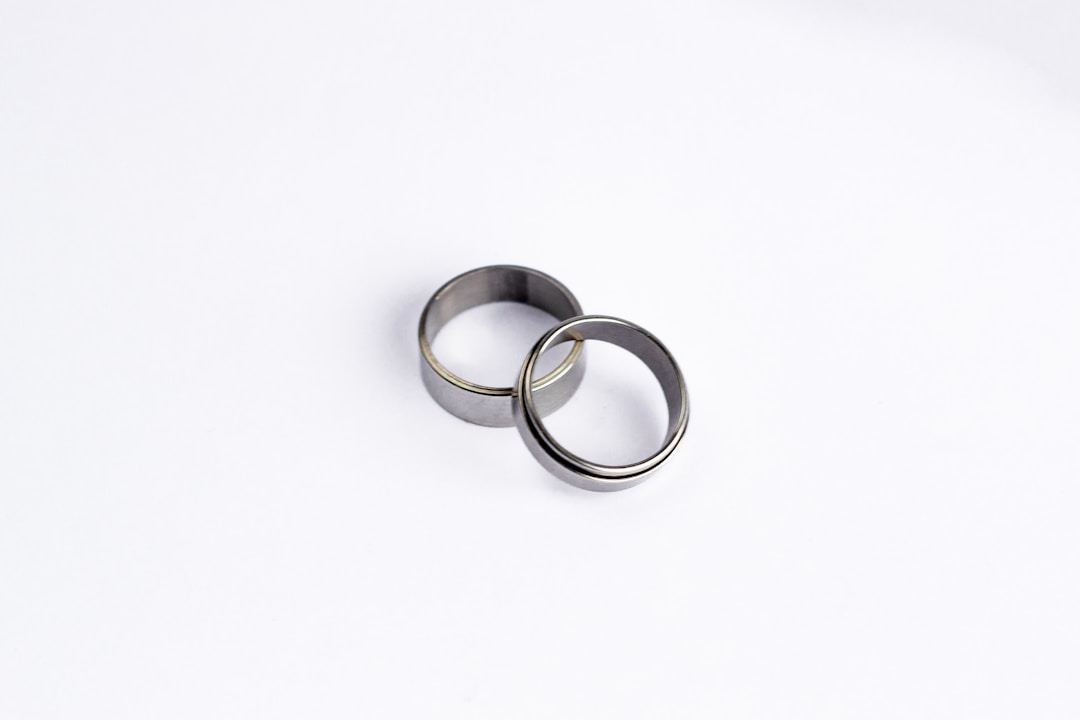
Diamagnetic metals, like copper and gold, actually repel magnetic fields. But again, the effect is so small you'd never notice it. The key takeaway: tungsten won't interact with magnets in any meaningful way during normal use.
Is a Tungsten Carbide Ring Magnetic?
Tungsten carbide, the compound used in virtually all tungsten rings, including every ring in the FoundryCut collection, is also non-magnetic for everyday purposes. Tungsten carbide is made by combining tungsten with carbon atoms at extreme temperatures. The result is a compound that retains the paramagnetic properties of pure tungsten: technically responsive to magnetic fields at the atomic level, and faint enough that it makes no difference to anything you do with your hands.
The binder metal matters here. Quality tungsten carbide rings use nickel as a binder. It holds the tungsten carbide grains together during manufacturing. Nickel does respond to a magnet on its own, and a trace of that carries into the finished band. In practice it is faint. A ring like Ingot will not stick to a fridge magnet and will not pull toward one across a gap, though a strong magnet held right against it can produce a slight tug. Cobalt binder tugs harder than nickel does, and that is the real difference between the two.
The difference between the two binders is one of degree rather than kind. Some lower-quality manufacturers use cobalt as a binder instead of nickel. Cobalt is strongly ferromagnetic, and rings made with cobalt binder can sometimes show a weak but detectable magnetic pull. Beyond magnetism, cobalt-bonded rings are also more prone to causing skin irritation, which is why reputable brands avoid cobalt entirely.
Why Do Magnetic Properties Matter for a Wedding Band?
If you work around MRI machines, electromagnetic equipment, or sensitive electronics, a magnetic ring is more than an inconvenience. It can be a safety hazard. MRI machines generate powerful magnetic fields that can pull ferromagnetic objects with dangerous force. Electricians, engineers, and anyone working around strong magnets need to know their ring won't become a projectile.
Tungsten carbide is safe in these environments. It will not be pulled by an external magnetic field with any force that could move it. That said, most medical facilities still ask you to remove all jewelry before an MRI, not because of magnetism alone, but because metal can interfere with imaging and potentially heat up in the RF field. The non-magnetic nature of tungsten is an advantage, but always follow your facility's protocols.
For tradespeople and guys who work with their hands, tungsten's lack of magnetism means your ring won't attract metal shavings, interfere with tools, or stick to magnetic surfaces in a workshop. It's one of the reasons tungsten has become one of the most popular ring metals for mechanics and construction workers.
How Tungsten Compares to Other Ring Metals
Here's how the magnetic properties of common ring metals stack up. This matters if you're deciding between materials and magnetism is a factor.
| Metal | Magnetic Type | Sticks to Magnet? | MRI Safe? | Hardness (Mohs) |
|---|---|---|---|---|
| Tungsten | Paramagnetic | No | Yes* | 9 to 9.5 |
| Titanium | Paramagnetic | No | Yes* | 6 |
| Gold (14K/18K) | Diamagnetic | No | Yes* | 2.75 to 3.5 |
| Platinum | Paramagnetic | No | Yes* | 4 to 4.5 |
| Stainless Steel | Varies | Sometimes | Depends | 5.5 to 6.5 |
| Cobalt Chrome | Paramagnetic | No | Yes* | 5 to 6 |
*Always remove jewelry before an MRI per facility guidelines, regardless of metal type.
Tungsten stands out here because it combines non-magnetic properties with the highest hardness of any ring metal. Gold and platinum are also non-magnetic, but they're soft enough to scratch and dent with daily wear. If you want a ring that won't interact with magnets and won't show wear, tungsten carbide is the clear winner. For a deeper comparison, check out our guide to tungsten rings pros and cons.
The Problem With Cheap Tungsten Rings
Not all tungsten rings are created equal, and magnetism is actually a useful way to spot a poorly made one. Here's what to watch for.
Rings sold for under $20 on marketplace sites often use cobalt as a binder instead of nickel. Cobalt is cheaper, but it's ferromagnetic, meaning these rings can show a detectable magnetic response. A magnet will not tell you which binder your ring uses, because nickel responds too. What it can reveal is a ring that is not tungsten carbide at all, since plated steel grabs a magnet hard rather than tugging faintly.
Beyond magnetism, cobalt binder causes another problem: it reacts with skin oils and moisture, leading to oxidation spots and potential skin irritation. This is why FoundryCut uses exclusively nickel-bonded tungsten carbide. It is hypoallergenic and it holds its appearance through daily wear. Every ring, from Monolith to Ingot, uses the same jewelry-grade nickel-bonded tungsten carbide.
If you're curious about how tungsten holds up over time beyond just magnetism, our guide on whether tungsten tarnishes covers exactly what to expect from the metal long-term.
How Do You Test if Your Ring Is Magnetic?
You can test your tungsten ring at home in about ten seconds. All you need is a neodymium magnet, the small, strong kind commonly sold online or found inside old hard drives.
Hold the magnet directly against your ring. Most tungsten carbide bands land somewhere between nothing at all and a tug you can just barely feel, and neither result tells you much on its own. What you should not see is the ring gripping the magnet or jumping toward it across a gap. That kind of grab means the ring is not tungsten carbide at all, usually plated steel. One thing this test cannot do is tell you which binder your ring uses, because nickel and cobalt both respond and the amount varies between grades.
For a more controlled test, place your ring on a flat, non-magnetic surface (like a wooden table) and slowly bring the magnet close. Watch for any movement, because a tungsten carbide ring will not slide toward the magnet across the surface. This test also works to verify other jewelry. If your "gold" ring sticks to a magnet, it's likely gold-plated steel.
Common Questions About Tungsten and Magnetism
Can I wear a tungsten ring near an MRI machine?
Tungsten carbide is paramagnetic and won't be pulled by an MRI's magnetic field. However, most MRI facilities require you to remove all metal jewelry before a scan regardless of the material. This is because any metal, even non-magnetic types, can interfere with image quality and may heat up slightly in the radio-frequency field. Follow your facility's specific rules.
Will a tungsten ring attract metal shavings in a workshop?
No. Because tungsten carbide is paramagnetic, it won't attract iron filings, steel dust, or any other magnetic debris. This makes it a practical choice for machinists, welders, and anyone who works around metal. Your ring stays clean without picking up stray particles.
Does the color of a tungsten ring affect its magnetic properties?
No. The black finish on a tungsten ring does not change its magnetic behavior. A black tungsten ring is the same nickel-bonded tungsten carbide, so it is just as non-magnetic as a silver one.
Is tungsten magnetic enough to interfere with electronics?
Not at all. Tungsten's paramagnetic response is so weak that it has zero effect on phones, watches, credit cards, pacemakers, or any consumer electronics. You can wear a tungsten ring while using any device without concern about magnetic interference.
How can I tell if my tungsten ring has cobalt in it?
A magnet will not settle it, because nickel and cobalt both respond to one and the strength varies enough between grades that a home test proves nothing either way. The only reliable answer is a brand that names the binder in writing. FoundryCut uses nickel and says so on every ring.
Tungsten carbide is one of the few ring metals that combines extreme hardness with a magnetic response too faint to matter in daily life. Whether you work around sensitive equipment or just want a ring built from serious material, it checks every box. Browse the full FoundryCut collection, every style is nickel-bonded tungsten carbide, built to last.


