
A palladium wedding band is made from one of the six platinum-group metals, and it is the option most men are never shown. Palladium is naturally white, so it holds that color without plating, and it weighs roughly half what platinum does. Very few high-street jewelers keep it in stock, and most of the men wearing one got there because a bench jeweler suggested it rather than because they went looking. That scarcity is most of the story. The metal itself is good, and the price moves for reasons that have nothing to do with jewelry.
What is palladium?
Palladium sits directly above platinum in the periodic table and shares most of its useful behavior. It is white the whole way through, it does not tarnish in normal wear, and the alloys used for rings contain no nickel. Where it parts company with platinum is density. Palladium runs at about 12.0 g/cm³ against platinum's 21.45, which means a palladium band of identical dimensions weighs a little over half as much.
Most palladium rings are 950 palladium, the same convention you see stamped on platinum. That means 95% palladium with the remaining 5% given over to ruthenium or a similar alloying metal to firm it up for daily wear. Look inside the band for a 950Pd or PALL stamp. Anything unmarked is worth asking about before you pay precious-metal money for it.
The reason you rarely see it has little to do with the metal's merits. The overwhelming majority of the world's palladium goes into catalytic converters, so the price is set by car manufacturing rather than by jewelry demand, and it has swung hard in both directions over the past decade. Jewelers who got burned holding stock through one of those swings tend not to stock it again.
What drives the price of a palladium band?
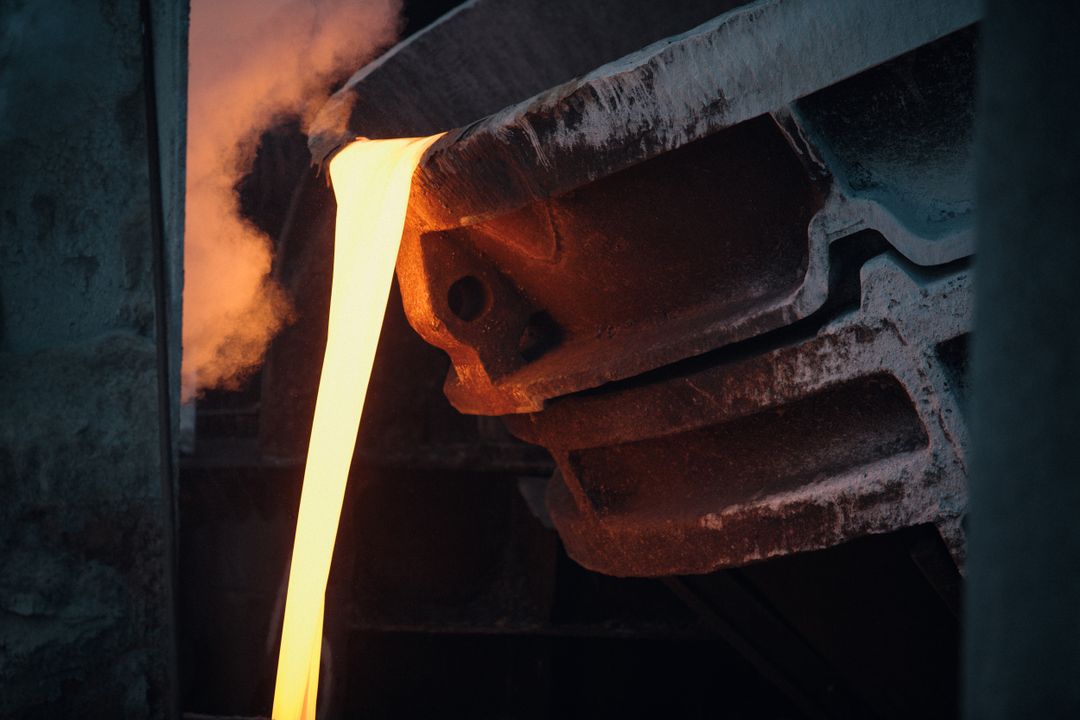
Three things stack, and only one of them is the metal. The first is spot price times weight. Palladium is sold by the gram like any precious metal, so a wide, heavy profile costs disproportionately more than a narrow one. The saving grace is that low density works in your favor here: because a palladium band contains roughly half the grams of the same ring in platinum, it can undercut platinum even when the two metals trade close together.
The second is bench time. Palladium is workable but fussy. It needs its own tooling and its own soldering setup, and a jeweler who mainly works gold and platinum will either charge for the learning curve or decline the job. That is a real cost rather than a padded line item, and it is the same dynamic covered in our guide to what you actually pay for in a platinum band.
The third is retail markup, which varies more than either of the others. A ring bought from the bench that made it and the same ring bought from a mall chain are not close on price. Markup is also the only one of the three that is open to argument.
Palladium compared to platinum, white gold and tungsten
Men cross-shop these four for the same reason: from arm's length they are all a cool, silver-toned band. The differences show up in weight, in what happens to the surface after two years, and in what the ring costs to keep looking right.
| Palladium | Platinum | White gold | Tungsten carbide | |
|---|---|---|---|---|
| Density | ~12.0 g/cm³ | 21.45 g/cm³ | ~12.9 to 15.5 g/cm³ (14k to 18k) | 14.5 to 15.0 g/cm³ |
| Hardness (Mohs) | ~4.75 | ~4 to 4.5 | ~3.5 to 4 | 9 |
| Color and finish | Naturally white | Naturally white | Rhodium-plated white | Silver-gray, black, or inlay |
| Resizable | Yes, by a jeweler set up for it | Yes | Yes | No, exchanged instead |
| Upkeep | Repolish if you dislike patina | Repolish if you dislike patina | Replating every few years | None |
| Availability | Rare on the high street | Widely stocked | Widely stocked | Widely stocked |
The density row is the one men underestimate. An 8mm palladium band weighs less than a tungsten carbide one in the same profile, though the difference is closer to the gap between tungsten and 14k gold than to anything dramatic, and our ring weight comparison gives the gram figures for tungsten carbide and the metals it gets cross-shopped against. If you have worn a heavy ring before and liked it, palladium will read as insubstantial. If you have never worn a ring at all, it will be the easiest of the four to forget you have on.
What is a palladium band like to live with?
Palladium is soft in the way all precious metals are soft. It sits around 4.75 on the Mohs scale, which puts it in the same band as platinum, and none of those numbers are high. What that means day to day is that the surface moves. A knock does not remove metal so much as push it sideways, and after a year or two of ordinary wear a polished palladium band takes on the same gray satin patina that platinum develops. Some men pay for that look. Others take it back to a bench once every few years and have it brought back to a polish.
The plating question is where palladium earns its keep against white gold. White gold is yellow gold alloyed pale and then rhodium-plated to finish the job, and that plating wears through and needs redoing on a repeating schedule. Palladium has no plating to lose because the color goes all the way through, so the ring you own in year ten is the same color as the ring you bought.
Sizing works normally, which is a clear practical advantage over tungsten. Palladium is ductile, so a jeweler can cut the band, add or remove metal, and solder it closed. The catch is finding one who will: palladium needs dedicated tools and a hotter, cleaner joint than gold, and plenty of benches simply pass on the work. Ring the shop before you assume it is a walk-in job. Tungsten carbide goes the other way entirely, as our guide on resizing a tungsten ring explains, and the answer there is exchange rather than alteration.
Who does a palladium ring suit?
The case for palladium is strongest for a specific man. You want a precious metal rather than an engineered one, you want it white without maintaining a plating, you have sensitive skin, and you would rather not feel the ring on your hand all day. Palladium answers that combination better than anything else on the shelf, including platinum, at a lower total weight and usually a lower total price.
It is a poor fit if you work with your hands. A soft white metal in a trade environment picks up its history quickly, and the men who write in unhappy about a scratched precious-metal band are almost always the ones swinging tools with it on. It is also a poor fit if you value being able to walk into any jeweler in any town and have the ring dealt with, because that is exactly what palladium cannot promise.
Where tungsten makes more sense
Set the two side by side and they are answering different questions. Palladium is buying you precious-metal status, low weight and the ability to have the ring altered. Tungsten carbide is buying you a hardness of 9 on the Mohs scale against palladium's 4.75, a fraction of the cost, and a finish that holds its appearance through work that would mark a precious metal in a week.
For most men shopping a silver-toned band, the deciding factor is whether the ring has to survive a job site. If it does, the hardness gap between 4.75 and 9 is not a technicality, and a band like Ingot in silver matte gives you the same clean profile without the upkeep conversation. If you want the flattest, most minimal version of that, Seam does it in a flat profile, and Sentry adds a rose gold interior if you want something less plain on the inside than the outside. The full range sits in our silver rings collection.
Platinum is the metal palladium gets weighed against most often, and where platinum itself lands against tungsten is worked through in our tungsten vs platinum comparison. If lightness is what drew you to palladium in the first place, titanium goes further in that direction for less money.
Common questions about palladium wedding bands
Is palladium a good metal for a wedding band?
For the right buyer, yes. It is a platinum-group metal, it is white without plating, it does not tarnish in ordinary wear, and it weighs about half what platinum does. The trade-offs are softness at roughly 4.75 on the Mohs scale and thin availability, so you will scratch it more easily than an engineered metal and you may struggle to find a jeweler who will service it.
Is palladium more expensive than platinum?
Not usually, as a finished ring. The two metals can trade at similar prices per gram, but a palladium band contains roughly half the grams of the same ring made in platinum because it is far less dense. That weight difference is what puts most palladium bands below their platinum equivalent, even in years when the raw metal prices converge.
Does a palladium ring tarnish or change color?
It does not tarnish, and it does not change color, because the white is the metal itself rather than a plating. What it does develop is a patina. Small surface knocks displace the metal instead of removing it, and over a year or two that turns a mirror polish into a soft gray satin. A jeweler can polish it back whenever you want.
Can a palladium wedding band be resized?
Yes. Palladium is ductile, so the band can be cut, sized up or down and soldered closed in the normal way. The practical obstacle is that palladium needs its own tooling and a hotter joint than gold, so many benches decline the work. Call ahead rather than assuming your local shop will take it.
Is palladium hypoallergenic?
It is nickel-free, which is the main reason bench jewelers reach for palladium-based white gold when a customer reacts to nickel. Treat the word hypoallergenic carefully, though. Palladium is itself a recognized contact allergen and it cross-reacts with nickel, so a nickel-sensitive buyer is more likely than average to react to palladium as well. If you have a diagnosed metal allergy, patch testing before you commit is worth more than any label on a ring.
Why is palladium so hard to find in jewelry stores?
Because most of the world's palladium goes into catalytic converters rather than into rings. The price answers to car manufacturing, it has moved sharply in both directions over the past decade, and jewelers who held stock through one of those swings are reluctant to hold it again. The scarcity is a supply-chain problem rather than a verdict on the metal.
Shop the rings in this guide
If palladium appeals for the color and the low weight, buy palladium and enjoy it. If what actually drew you in was a clean white band that keeps its finish without a maintenance schedule, that is the job tungsten carbide was built for, and nearly every profile in the men's wedding bands range comes in both 6mm and 8mm, so you can pick the weight you want on the hand rather than accepting whatever the metal dictates.


